
Face shapes, explained: all 7 types, and which one is yours.
Your photo is analyzed in your browser and never uploaded to our servers.
Face the camera, pull your hair back and keep your chin level. The first scan downloads the on-device detector; later scans reuse it.
Free · on-device · no signup
Example
Oval
- Length ÷ width
- 1.35
- Forehead
- 85%
- Jaw
- 77%
This is a sample from a fixture, not your face.
Real detector output for the oval regression fixture (CC0 dataset photo, landmarks only).
Free: your face shape, measured ratios and on-photo try-on.
- 1. Add a photo or take a selfie.
- 2. We measure landmarks on your device.
- 3. Read your result and starter picks.
- 4. Preview styles, then open the report if it helps.

Want the tool on its own, with the method and limits spelled out? Open the face shape detector page.
The 7 face shapes
Which part of your face is widest?
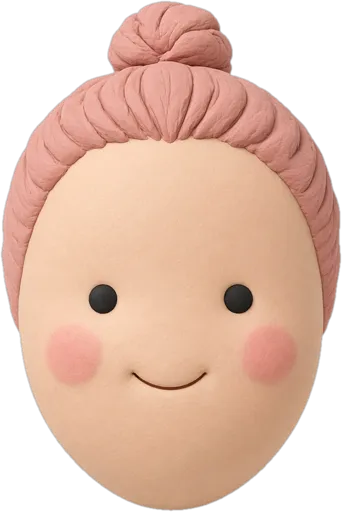
Oval face
Oval face shape: about 1.5 times longer than wide with a rounded jaw. See how to tell, best hairstyles, glasses frames and beard styles for men and women.
Oval guide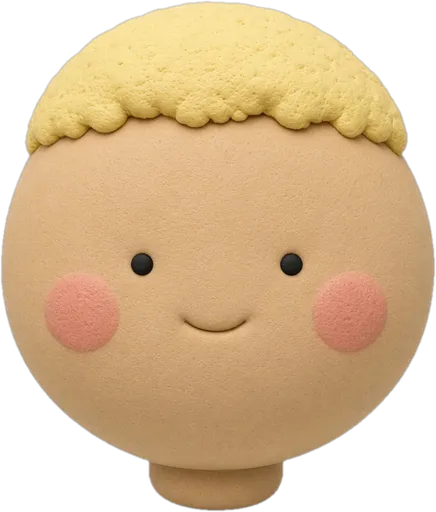
Round face
A round face is about as long as it is wide, fullest at the cheeks, with no jaw corner. Tell it from square, oval, oblong and diamond.
Round guide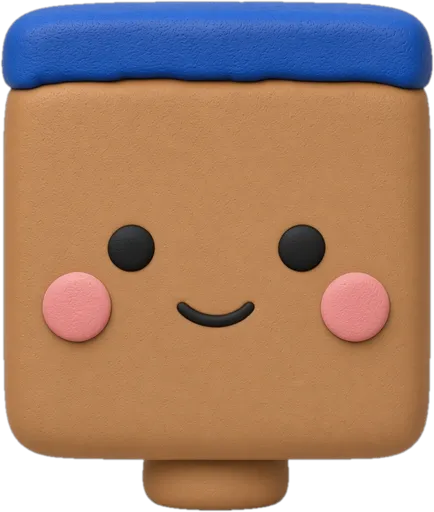
Square face
A square face is about as long as it is wide, with even widths and a jaw corner. Tell it from round, oblong, triangle and oval.
Square guide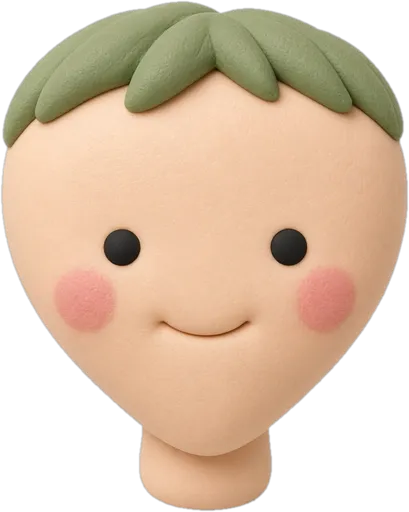
Heart face
Heart shaped face: wide forehead and cheekbones tapering to a narrow, pointed chin. See how to tell, best hairstyles, glasses frames and beard styles.
Heart guide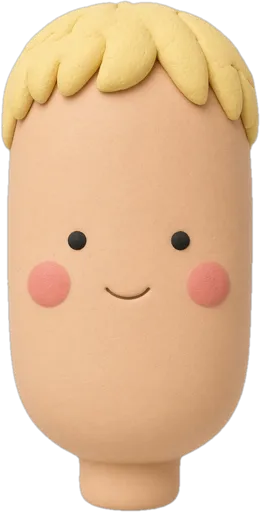
Oblong face
An oblong face is clearly longer than it is wide, with straight sides. Tell it from oval, square, diamond and round, then pick hair, glasses and a beard.
Oblong guide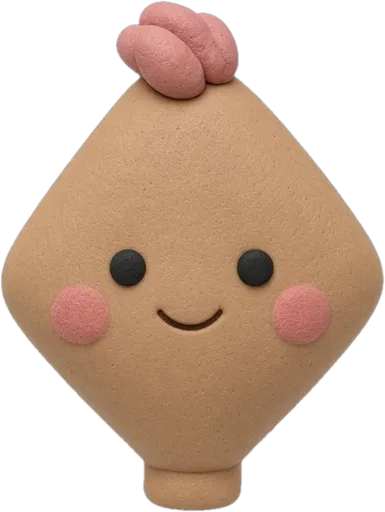
Diamond face
Diamond face shape: widest at the cheekbones with a narrow forehead and pointed chin. See how to tell, best haircuts, glasses frames and beard ideas.
Diamond guide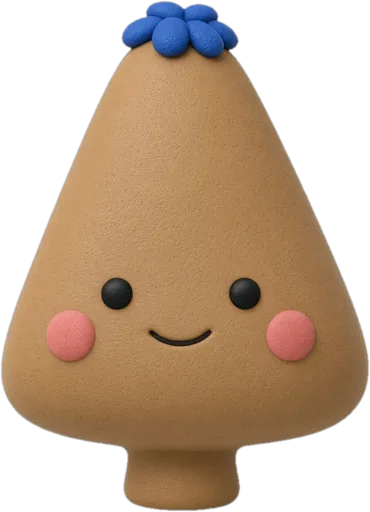
Triangle face
Triangle face shape (pear face): jaw wider than the forehead. How to tell it from square, plus best hairstyles, glasses frames and beard styles.
Triangle guide


How to tell your face shape
Upload a front-facing selfie. Landmarks and ratios give the closest shape and a runner-up.
Pull your hair back and trace your outline. Note which part is widest: forehead, cheekbones or jaw.
Measure forehead, cheekbones, jaw and face length, then compare them in the quiz.
What your face shape changes
Frame shapes and widths that balance your proportions.
Cuts and lengths that add or soften width where you need it.
Beard shapes that lengthen, square or soften a jawline.
What a face shape label describes
Face shapes are a short way to describe the geometry of a face. They are not a rating, a diagnosis or a prediction about personality. The label comes from two things: which horizontal band is widest, and how the vertical length compares with that width.
The seven labels used on this site are oval, round, square, heart, oblong, diamond and triangle. A wide forehead with a narrow chin points toward heart. Wide cheekbones with a narrower forehead and jaw point toward diamond. A jaw wider than the forehead points toward triangle. When the widths are similar, the jaw line and the length decide between round, square and oblong. A balanced outline that is a little longer than it is wide is oval.
Hair and a beard change the outline you see. Hair over the forehead changes the top width, and a full beard replaces the jaw corner with its own edge. The bone underneath does not move. Read the bone first, then decide where hair should add width or stay close. The seven face shape guides show each outline in more detail.
The two measurements behind every label
A face shape starts with two measurements: length and width. Length is the vertical distance from the hairline area to the chin. Width is the widest of three horizontal lines: forehead, cheekbones or jaw.
The label depends on which of those three lines is widest, and on how much longer the face is than that width. A face that is about as long as it is wide sits in the round or square family. A face that is clearly longer than it is wide sits in the oblong family. The difference between round and square is the jaw: a corner reads square, a curve reads round.
The methodology page explains how the quiz and the photo detector measure these numbers, including why the old 1.65 tape target is not used by either tool. The short version is that a mirror measurement and a landmark measurement are different rulers. A quiz result and a photo result can both be correct for their own method.
Why the quiz and the photo detector can disagree
The quiz asks eight questions about a mirror view. It needs no photo and no tape. The face shape quiz adds points toward each shape, then returns a label. If the top two results are close, it says “between” two shapes instead of forcing one name.
The face shape detector reads landmarks on a straight-on photo in the browser. It compares forehead-to-cheekbone width, jaw-to-cheekbone width, face length and two angles. It scores five shapes from labelled photos and adds separate rules for diamond and triangle. Its result can differ from the quiz because the two tools measure length in different places.
A gap of less than 0.15 between the top two results is a blend, not a failure. Read both guides when that happens. The advice for a blend is usually a mix of the two outlines, not a choice between two entirely different styling rules.
The pairs people mix up
Most face shape confusion comes from three pairs. The table gives the question that separates each pair, then the guide that goes deeper.
| Pair | What separates them | Read next |
|---|---|---|
| Oval and oblong | Oval has softer, balanced widths and a curved jaw; oblong has a clearly longer vertical and straighter sides | Oval vs oblong · Oval · Oblong |
| Round and square | Both can have length close to width; a square jaw turns a corner, a round jaw curves | Round vs square · Round · Square |
| Heart and diamond | Heart is widest at the forehead; diamond is widest at the cheekbones | Heart vs diamond · Heart · Diamond |
A triangle face can also look like a square face from the front if the jaw is wide and the forehead is not. The difference is whether the jaw is wider than the forehead, or about the same. The triangle guide covers that comparison.
What a result can help you choose
A face shape is useful as a direction, not a rulebook. It tells you where the outline is narrow, where it is wide, and whether length or width is the stronger line. That is enough to narrow a haircut, a pair of glasses or a beard shape before you try anything.
The hairstyles guide uses the outline to decide where to add width, where to break a long vertical and where to use texture instead of bulk. The glasses guide applies the same idea to frame width, bridge and lens depth. The beard guide covers the lower outline for men, where a beard can add width at the jaw or length at the chin.
None of these pages says a shape must wear one cut. Hair texture, density, growth pattern and personal preference still decide the final choice. The face shape only sets the direction.
What can change the reading
A photo reading is sensitive to the picture. A low camera widens the jaw; a high camera widens the forehead. A wide-angle phone lens can stretch the edges, and hair over the hairline can hide the forehead point. A neutral expression and a straight-on camera at eye level give the cleanest comparison.
Weight change and age can change the soft tissue around the jaw and cheeks, so the outline can shift over time. The underlying bone changes much more slowly. If a result looks wrong, repeat the check with the hair back and the camera level before trying another tool.
The quiz has its own limits. It asks what you see in a mirror, and a mirror view is not a photograph. The quiz does not need a photo, and the photo detector does not need a quiz answer. Use the tool that matches the input you have.
Privacy and limits
The photo detector runs in the browser. The photo is not uploaded to a server, and closing the tab discards it. The quiz uses no photo at all. The privacy policy describes the small amount of data the site does handle.
The detector is an estimate, not a medical assessment. On the held-out test set it matched the dataset label 58.8% of the time across five labelled shapes, where chance is 20%. Diamond and triangle sit outside that figure because the public dataset has no labels for them. The methodology page records the full result, the dataset source and the caveats.
Where to go next
- Take the face shape quiz if you want a mirror-only result.
- Use the face shape detector if you have a straight-on photo and want the browser-only tool.
- Open all seven face shapes to compare the outlines side by side.
- Read how the measurements work before treating a close result as certain.
Frequently asked questions
The seven labels used here are oval, round, square, heart, oblong, diamond and triangle. Each one describes the widest band of the face and how face length compares with width. Rectangle and long face are other names for the oblong outline, not extra shapes.
- Runs on-device
- Method explained
- No account
Ready to find yours?
Find my face shapeFree · runs in your browser · photo never uploaded