
Diamond
Widest at the cheekbones, narrower forehead and jawline, more angular lines.
- Narrower forehead
- Wider cheekbones
- Narrower, pointed jawline
- More angular lines
- Often has defined angles
Face shape comparison
Both face shapes can look balanced and harmonious,
but they have different proportions and styling needs.
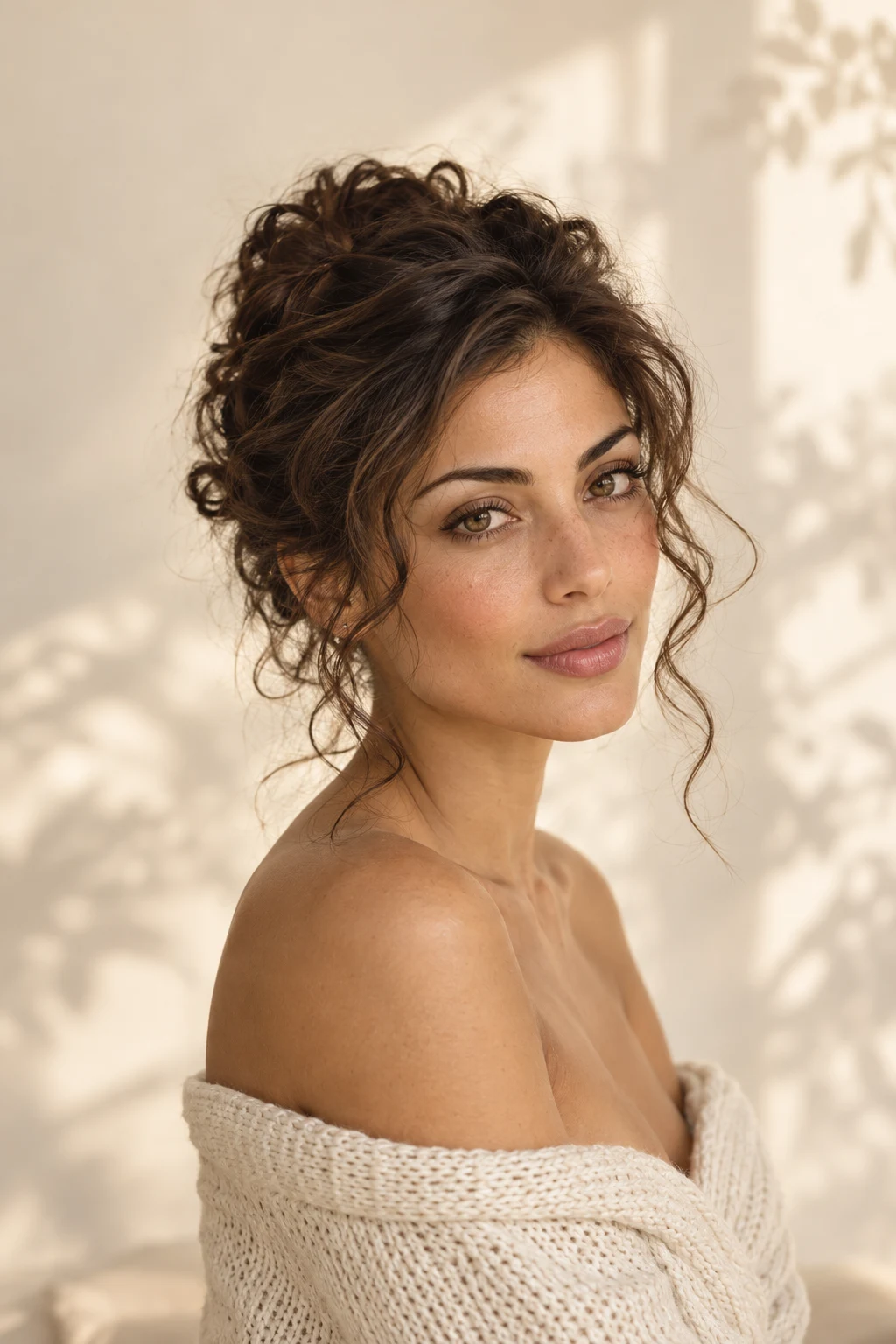 Diamond
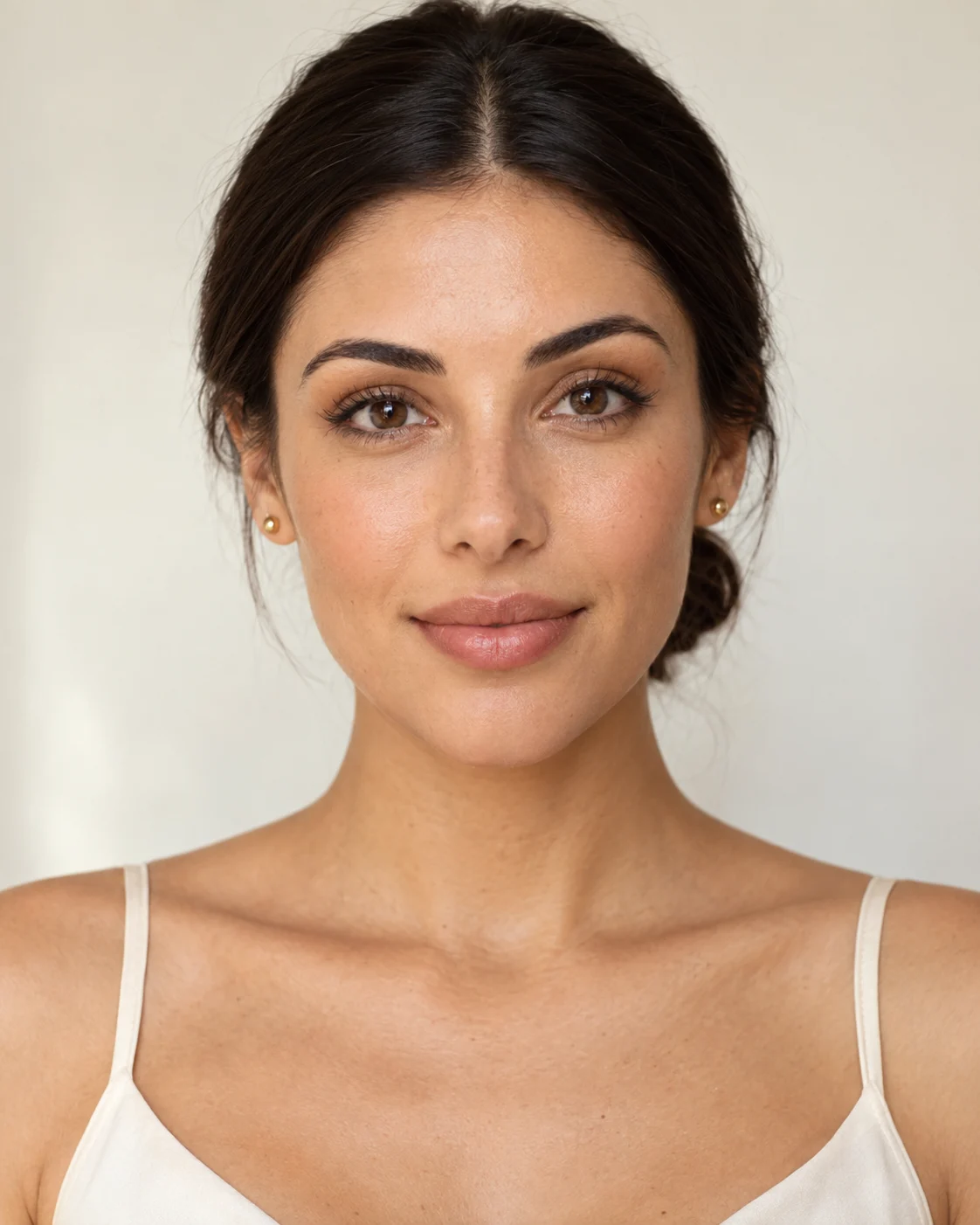 Oval
See the key differences between diamond and oval face shapes at a glance.
Widest at the cheekbones, narrower forehead and jawline, more angular lines.
Well-balanced proportions with a slightly longer face, softer, more rounded lines.
Compare the main facial features between diamond and oval face shapes.
| Feature | Diamond | Oval |
|---|---|---|
| Cheekbones | Widest part of the face | Well balanced |
| Forehead | Narrower | Slightly wider |
| Jawline | Narrow, pointed | Rounded and smooth |
| Face length | Often longer | Slightly longer (balanced) |
| Overall shape | Angular with defined angles | Smooth and balanced |
| Common characteristics | High cheekbones, angular lines | Proportional, versatile |
Look at the widest part of your face and the shape of your jawline.
If your cheekbones are the widest part, it may lean diamond.
A narrower, pointed jaw suggests diamond; a rounded jawline suggests oval.
Oval faces tend to have more balanced proportions and fewer defined angles.
Soften angular features, balance your proportions, and highlight your cheekbones.
Oval faces are versatile and suit a wide range of hairstyle directions.
Four styling directions shown on the same diamond-face model.
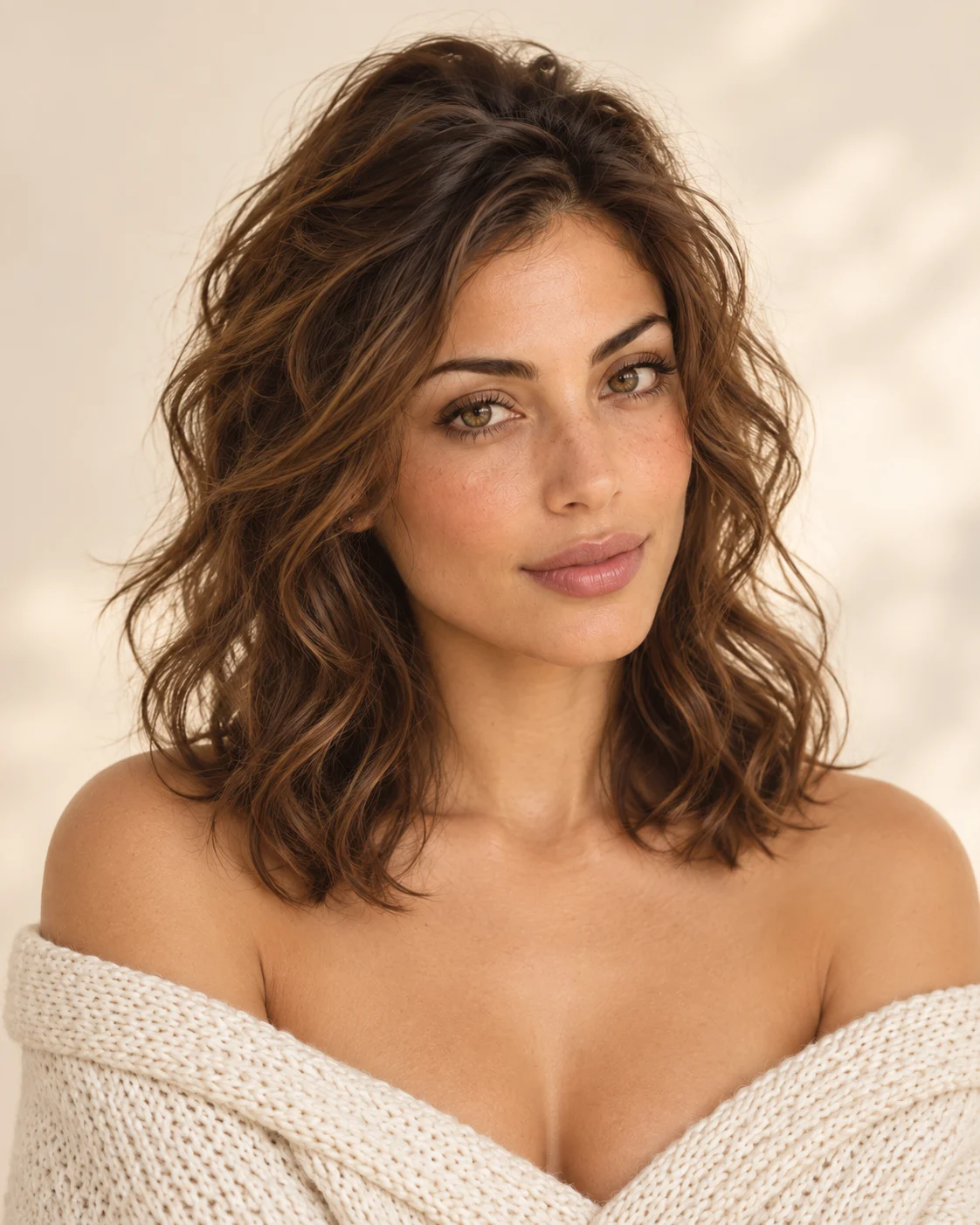 Soft, face-framing waves
Softens the outline while keeping cheekbones in focus.
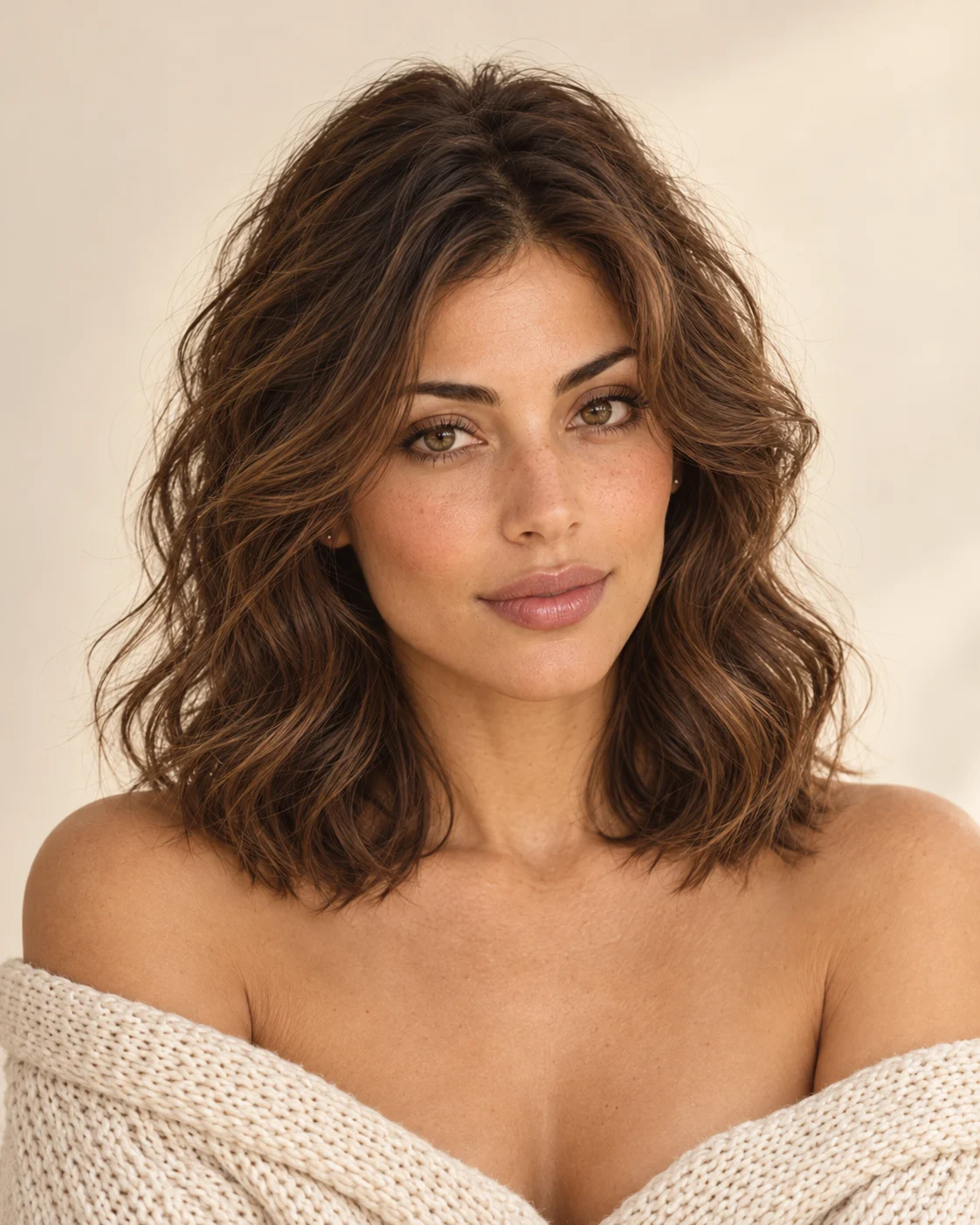 Layers with movement
Adds balance and a little everyday movement.
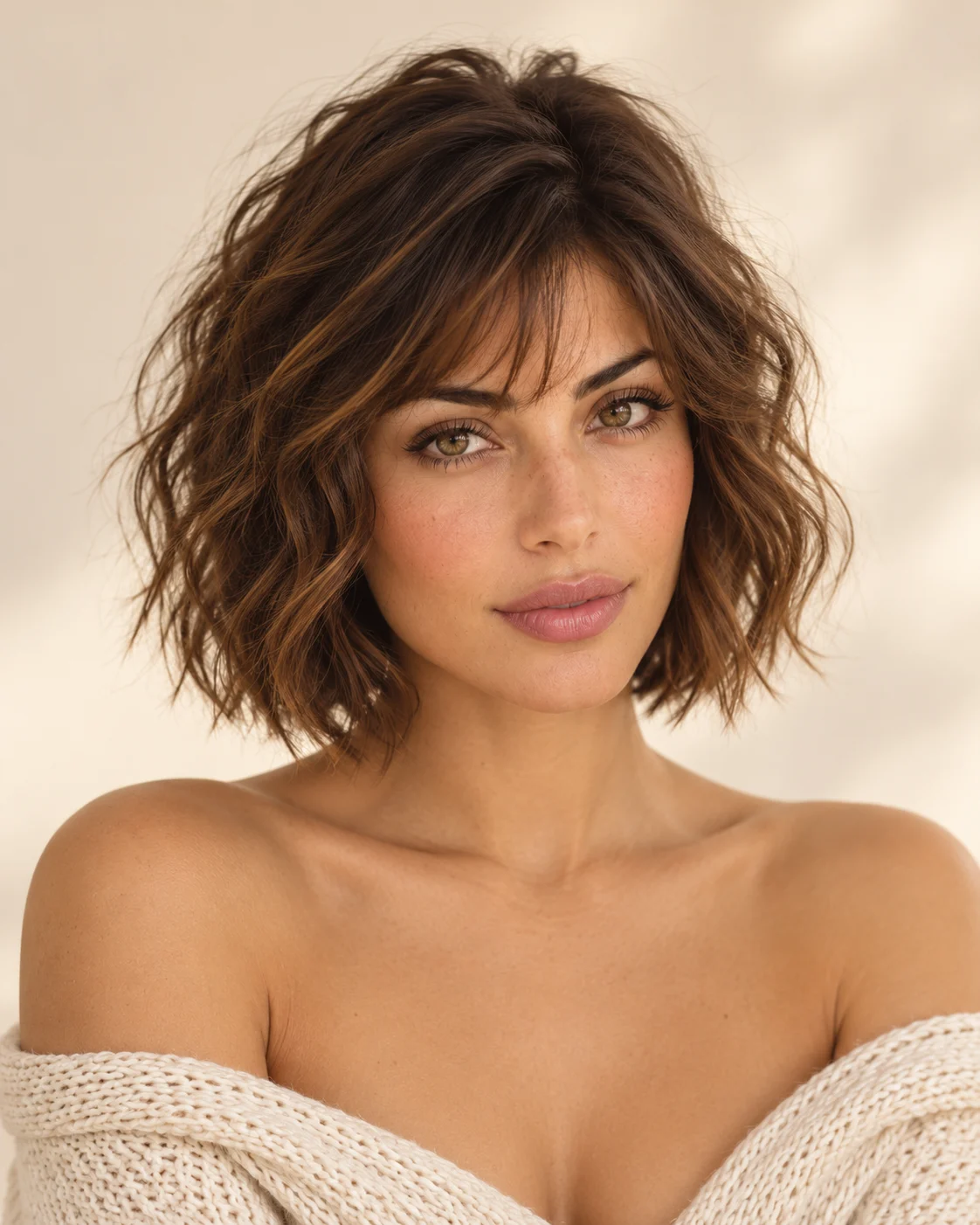 A softly textured bob
Frames your face with a light, relaxed finish.
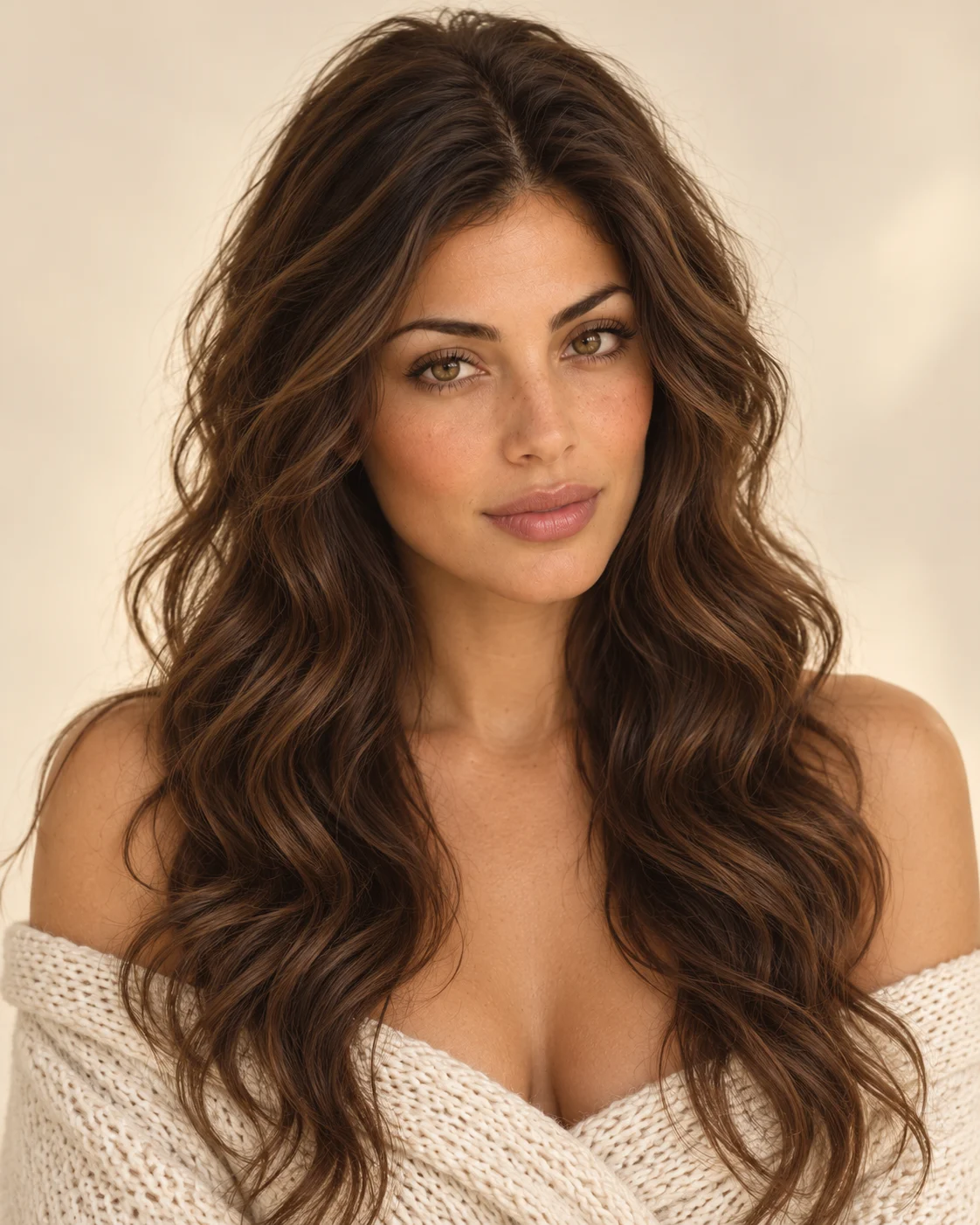 Natural long layers
A versatile direction with a soft silhouette.
AI-generated styling examples. Face shape categories are a guide; individual features vary.
Still not sure? Explore another comparison or analyze your photo.
Upload your photo and explore your unique features and hairstyle ideas.
Analyze My FaceFAQ
Yes. Face shape categories overlap, and a softer diamond outline can resemble an oval. Compare cheekbone width with your forehead and jaw rather than relying on one feature.
Neither shape is inherently more attractive. Both can be balanced and distinctive, and hairstyle preference matters more than fitting a category.
Yes. Soft layers, waves and face-framing pieces can suit both. Adapt the length and volume to your hair texture and personal preferences.
Look at a front-facing photo with your hair pulled back. A diamond outline has visibly wider cheekbones and a narrower forehead and jaw; an oval outline tends to look smoother and more evenly proportioned.
Layered cuts, soft waves and curtain bangs are useful starting points. Your natural texture and the amount of daily styling you want also matter.
Absolutely. These categories describe patterns rather than strict boundaries, and many faces combine features of several shapes.
Oval proportions are often described as versatile, but every face shape can wear many different cuts. Use proportions to explore options rather than set rules.
No. Consider hair texture, density, styling time, your features, and what makes you feel comfortable. A stylist can help combine all of these factors.
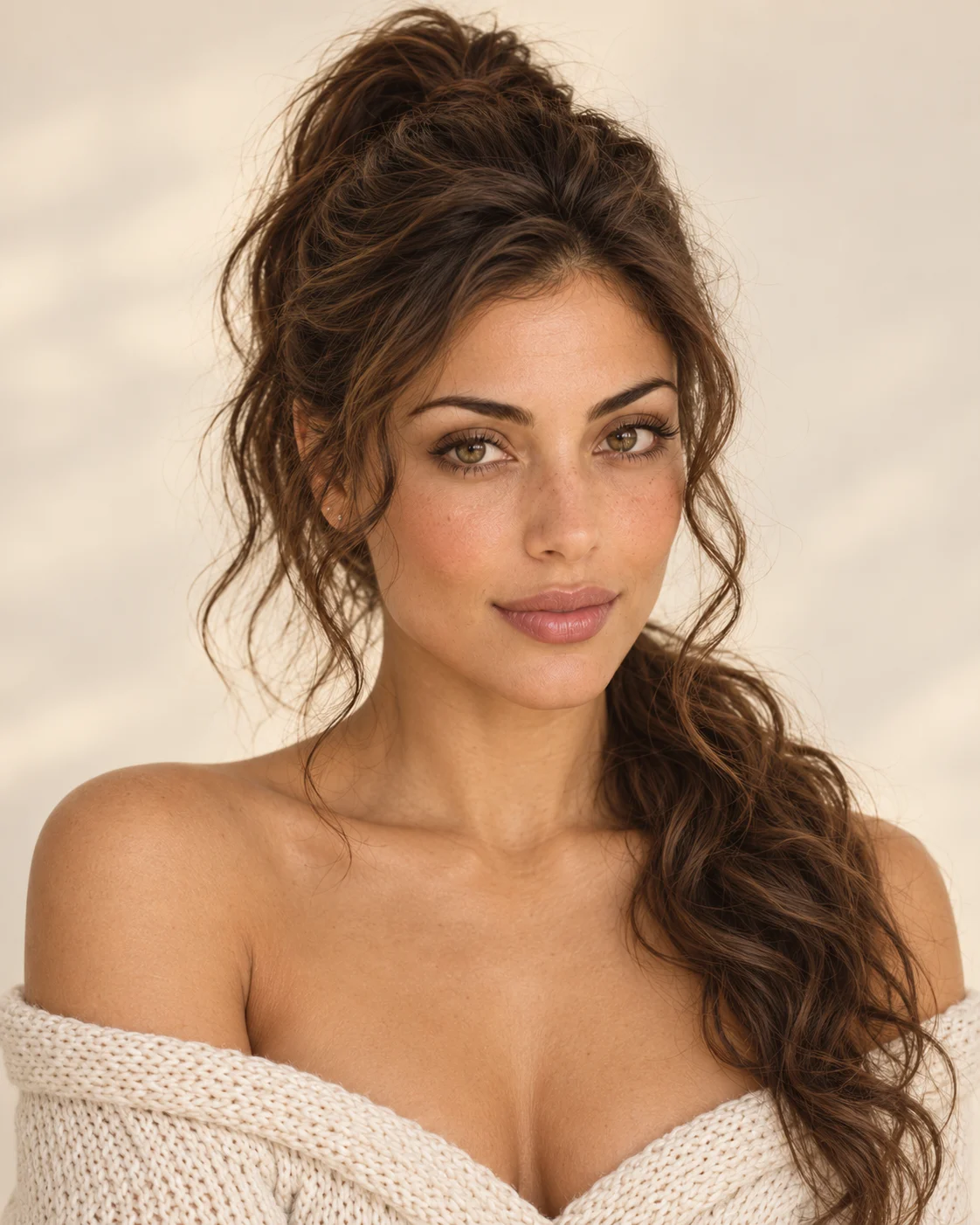 High ponytail